Lords War
- 4.5
- Rating
- 50.00K
- Installs
- Free
- Price

 Analysis by App-foxy
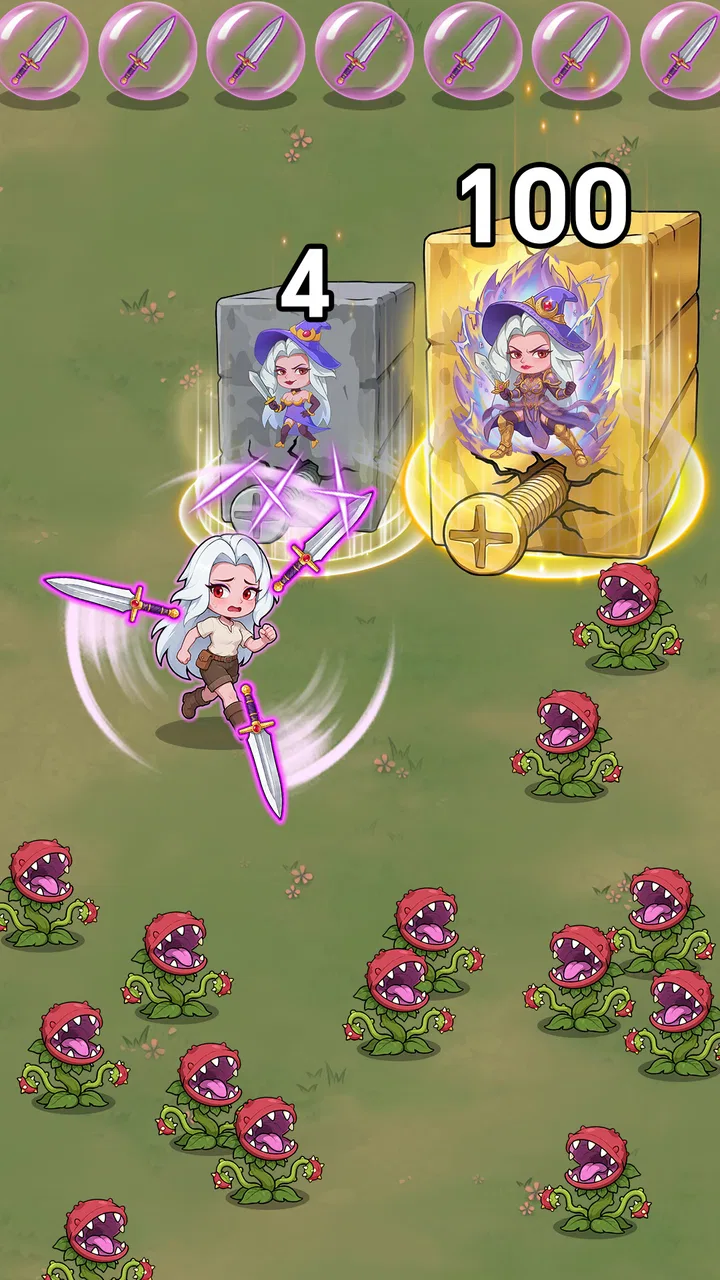
I spent time with Lords War as a casual mobile game and came away with a fairly clear impression: it is built around quick interaction rather than a large, complicated learning curve. Its “Nimble moves, big catches!” summary points toward a game that wants your attention in short bursts, while the store’s “Lords War” description gives it a competitive, action-focused identity. That combination makes it easy to approach, but it also means the quality of each play session depends heavily on how comfortable you are with fast visual decisions and repeated touch input.
The game comes from K3GAMES and is free to install, with optional purchases ranging from $0.99 to $99.99 per item. I would treat that pricing model as an important part of the decision, especially if you are looking for a completely no-spend experience. The game is rated for Everyone, runs on Android 6.0 or later, and its current version is 1.1.12. Those details make it accessible to a broad range of Android users, although technical compatibility and practical accessibility are not quite the same thing.
How Lords War feels to read and navigate
My first concern with any quick-reaction casual game is whether I can understand what is happening before the action begins. Lords War benefits from being positioned as a straightforward experience rather than an intimidating strategy package. You do not need to approach it like a long-form role-playing game with a large rulebook. The appeal is in recognizing the immediate objective, reacting, and trying to improve your result on the next attempt.
You May Also Like

 AccuWeather: Weather Radar
AccuWeather Review: A Quick, Clear Forecast for Everyday Decisions
For everyday plans, the best forecast is the one you can understand quickly. AccuWeather makes rain timing, radar, and local conditions easy to act on, with a few trade-offs.

 Hill Climb Racing
Why Hill Climb Racing Still Turns Crashes Into One More Run
A tiny car, a bumpy hill and one more upgrade: Hill Climb Racing keeps resurfacing because its simple chaos makes every near-miss feel personal.

 AliExpress - Shopping App
AliExpress Makes Global Shopping Feel Personal, but Shoppers Bear the Risk
AliExpress turns a global marketplace into a pocket-sized discovery engine. Its reach is useful, its shopping loop compelling, and its trade-offs easy to miss.

 Lords Mobile: Kingdom Wars
Lords Mobile Is a Kingdom-Building Routine, Not a Quick Match
A case-by-case verdict on the building, battles, device demands, and social commitments that make Lords Mobile rewarding for some players and exhausting for others.

 PDF Scanner app - TapScanner
TapScanner Makes Paperwork Easier to Capture, Check, and Share
TapScanner makes scanning with a phone feel less like a rescue operation and more like a dependable step in getting work done. Its capture tools are useful, though not flawless.

 Block Blast!
 Shows How Much a Puzzle Game Can Leave Out
A quiet grid game shows why puzzle players increasingly value instant clarity, repeatable skill and low-pressure play—and where the genre still needs to catch up.
More From Our News Desk
View All News


That simplicity is useful for people who prefer clear, short interactions. If you are opening a game while waiting for transport, taking a brief break, or looking for something less demanding than a full campaign, the format makes sense. I found that the game’s identity is easiest to grasp when I focused on one action at a time instead of trying to evaluate it as a deep tactical system.
At the same time, a compact casual interface still has to communicate urgency, targets, rewards, and available actions without overwhelming the player. This is where the experience can vary from person to person. Players with strong vision and quick visual processing are likely to understand the screen faster than someone who needs larger text, stronger contrast, or more time to distinguish separate elements.
The most useful habit is to learn the screen before chasing speed. On an early session, I would recommend pausing mentally between rounds or actions and identifying which parts of the display are interactive, which indicate progress, and which lead toward purchases or other choices. That small routine reduces accidental taps and makes the game feel less frantic.
Navigation also matters outside the central action. A casual title can become tiring when menus require repeated backtracking or when a player has to search for basic controls. Lords War is best approached as a game for direct engagement, not as an app where you will spend a lot of time browsing settings. If you prefer a highly configurable interface with extensive control over display, sound, or input behavior, you may find the experience more limited than a dedicated accessibility-focused game.
Why the short-session design can help
Short sessions are not only convenient; they can make the game more manageable for players who experience fatigue, distraction, or difficulty maintaining concentration. I can imagine using it during a brief pause in the day, then putting it away without feeling that I have abandoned a long mission. That makes it less demanding than many strategy games that expect a continuous block of attention.
A realistic example would be someone playing for a few minutes while waiting for a friend at a café. The player can concentrate on the immediate challenge, stop when the conversation begins, and return later without needing to remember a complicated story. That kind of flexible use is one of the strongest practical reasons to try it.
There is a trade-off, though. A game built around quick reactions may be easy to start but harder to enjoy if your attention is interrupted repeatedly. Notifications, background noise, or a busy environment can make a precision-based session feel unfair even when the game itself is functioning normally. I would choose a quiet moment when possible, particularly during the first few sessions.
Motor and sensory demands during play
The central promise of Lords War is nimble movement and successful catches, so the physical demand is likely to be more important here than in a turn-based puzzle game. Even without treating the game as an intense action title, the wording clearly sets an expectation of timing, touch accuracy, and quick decisions. Players with limited finger mobility, tremors, joint pain, or slower reaction speed should consider that before committing to longer sessions.
For me, the main trade-off is between speed and control. Fast swipes or taps can feel satisfying when they land correctly, but repeating them can become uncomfortable if the hand is already tired. A useful approach is to hold the phone in a stable position and use the finger that gives you the most precise movement, rather than forcing yourself to play one-handed. A stand or a firm surface may also help if gripping the device for a long time is difficult.
This is one of the less obvious points about the game: physical comfort can affect performance as much as skill. If your hand is tense, your movements become less consistent, and a challenge that seemed manageable can suddenly feel unpredictable. I would play in short intervals, relax the wrist between attempts, and avoid treating every missed action as a reason to continue immediately.
Players with visual sensitivities should also think about the game’s action-oriented presentation. Quick movement, changing targets, or visually busy moments can be harder to follow for people who are sensitive to motion or flashing effects. I would not assume that a Everyone rating means every player will find the presentation comfortable. Age suitability and sensory comfort are different questions.
People who rely on screen readers, magnification, switch access, voice control, or other assistive tools should test the game carefully rather than assuming that Android compatibility guarantees a smooth experience. A game centered on visual timing and touch placement may not translate well to every assistive setup. If your device uses enlarged display settings, it is worth checking whether the game remains readable and whether important controls stay within reach.
Practical ways to reduce strain
I found a few general play habits more valuable than trying to force faster reactions. Keep the screen at a comfortable brightness instead of using maximum brightness for every session. Clean the display if taps feel inconsistent. Use both hands when that improves stability, and stop before tiredness changes the way you move. These are simple adjustments, but they can make a quick game feel much more controlled.
Another useful tip is to separate learning from performance. On the first attempt, focus on where actions appear and how much time you seem to have. On the next attempt, work on accuracy. Trying to master speed, placement, and the interface simultaneously can create unnecessary frustration, particularly for players who need a little longer to process visual information.
If you have difficulty with rapid touch input, Lords War may still be worth trying casually, but I would not choose it as your main game if your priority is relaxed, low-pressure play. A turn-based puzzle game or a slower board-style title will usually offer more time to plan and fewer demands on precise movement.
Playing in different everyday situations
Lords War fits best into moments when you can give the screen your full attention for a short period. It is not the kind of game I would recommend while walking, crossing a street, or doing another task that needs awareness. The focus on nimble actions makes divided attention a poor match, and the risk is not only a lower score; it is also that the game encourages you to look down when you should be observing your surroundings.
At home, the experience is easier to control. You can adjust your seating position, reduce glare, and take breaks without feeling rushed. On public transport, the game may be enjoyable if you have a stable seat and predictable movement, but standing on a moving vehicle could make precise input more difficult. This is a small but meaningful distinction: the same game can feel responsive at a desk and frustrating on a bumpy ride.
For younger players, the Everyone rating makes the game broadly suitable from a content perspective, but I would still pay attention to how optional purchases are handled on the device. Because in-app items can cost from $0.99 to $99.99 each, families should use the purchase controls available through their Android account and discuss spending before handing over the phone. Free installation does not mean every part of the experience is free.
That purchase range also affects how I would recommend the game to adults. If you enjoy trying a game without paying upfront, the free entry point is convenient. If you dislike seeing optional spending prompts or prefer games with a single predictable cost, the model may feel distracting. I would decide in advance whether you are willing to spend anything and treat that limit as part of your play plan.
The game has attracted over fifty thousand installs and holds a 4.5 average from around four hundred ratings, with roughly fifty written reviews. Those figures suggest that it has found an audience, but they should not replace your own judgment about touch demands, visual comfort, and spending preferences. A popular casual game can still be a poor fit for someone who needs slower controls or more customization.
Where the experience may still create barriers
The biggest barrier is the likely importance of fast visual and physical response. Players who need extra time, larger targets, alternative input methods, or reduced motion may have to work harder than players who can react instantly. I would have liked to see the game make those needs easier to accommodate, but I would not assume that such options are available simply because the title is casual or rated for Everyone.
Another barrier is the difference between being easy to understand and being easy to operate. A player may know exactly what the game wants and still struggle to perform the required movement. That distinction matters for people with motor disabilities, temporary injuries, or fatigue. Clear objectives help, but they cannot fully compensate for controls that depend on speed and precision.
Visual clarity can also change with the device. A small phone, strong sunlight, reflections, or a cracked screen may make moving elements more difficult to track. Someone with low vision might have a better experience on a larger display, provided the interface scales comfortably. I would test the game in the place where you expect to play it rather than judging it only in ideal indoor lighting.
There is also a cognitive consideration. Repeated attempts can be appealing because they invite improvement, but they can become tiring if every failure feels like a demand to react faster. Players who prefer calm progression, story, or a clear sense of completion may find the loop less rewarding than a puzzle game with permanent advancement. Lords War is more suitable for practicing a compact skill than for building a large, personalized world.
For people who need audio cues, I would avoid assuming that sound alone will make the game easier to follow. Visual timing appears central to the concept, so anyone who cannot comfortably rely on the screen should consider whether the game’s interaction style matches their needs. Conversely, players who are sensitive to sound may prefer playing with the volume reduced, especially in shared spaces.
Who should choose it, and who should skip it
I would recommend Lords War to someone who wants a free casual game with an immediate, action-led premise and who enjoys improving through repeated short attempts. It is particularly suitable for players who like the satisfaction of reacting quickly, catching opportunities, and testing their consistency rather than following a lengthy narrative.
I would be more cautious recommending it to someone seeking a completely relaxed experience, a deep strategy system, or extensive accessibility controls. If you have difficulty with rapid taps or swipes, a slower alternative will probably be more enjoyable. If you are choosing a game for a child, the Everyone rating is reassuring about broad content suitability, but spending safeguards still deserve attention because of the available in-app purchase range.
Compared with the usual casual alternatives, Lords War seems better suited to active attention than to passive time-filling. A match-three game generally gives you more time to inspect the board; a turn-based title lets you plan without a clock; an idle game asks for less physical input. This game’s appeal is different: it asks you to stay present and respond. That is a strength when you want energy and a weakness when you want rest.
My inclusive verdict after using it
My overall view is positive but specific. Lords War is a compact casual game with a clear reason to exist: it turns quick touch decisions into the main source of satisfaction. Its free entry point, Everyone rating, Android 6.0 minimum, and current version 1.1.12 make it approachable for many people, while K3GAMES has kept the identity focused rather than burying it under a complicated presentation.
Accessibility, however, should be judged through the actual interaction rather than the label. The game may work well for players who can comfortably track moving action and make quick, accurate touches. It is less convincing for anyone who needs slower timing, larger controls, alternative input, or reduced sensory intensity. Those players should test it briefly and pay attention to fatigue instead of assuming that a casual classification guarantees an easy experience.
My practical recommendation is to begin with short sessions, play in a stable and well-lit setting, decide on a spending limit before exploring optional items, and stop when your hands or eyes become tired. If the quick-response loop makes you feel engaged, the game can be a handy choice for small breaks. If it makes you feel rushed or physically uncomfortable, a turn-based or slower casual alternative will be the better decision.
In the end, I see Lords War as a focused pick rather than a universal recommendation. It is free to try, easy to place into a spare moment, and appealing for players who enjoy nimble challenges. Its remaining barriers are tied to that same design: speed, precision, visual tracking, and the possibility of purchase pressure. For the right player, those demands create the fun. For everyone else, they are a clear signal to choose something gentler.
FAQs for Lords War
01What is Lords War and what kind of gameplay does it offer?
Lords War is a strategy game focused on building an empire, managing resources, training troops, and competing against other players. During my time with the game, the main progression loop involved upgrading facilities, researching technologies, recruiting stronger units, and expanding military power. It combines city management with real-time decisions, alliances, and battles, so it is better suited to players who enjoy long-term planning rather than quick, casual matches.
02Can Lords War be played for free, or does it require in-app purchases?
Lords War can generally be downloaded and played without paying an upfront purchase price, but it includes optional in-app purchases. These may provide resources, speed up construction, unlock bundles, or support faster progression. Free players can still develop their territory and participate in the main activities, although progress may feel slower than for users who spend money. Before downloading, users should review the store listing and payment settings, especially if children may access the device.
03Does Lords War require an internet connection to play?
Yes, Lords War is primarily designed as an online game and normally requires a stable internet connection. Your city, resources, events, alliance activity, and multiplayer battles depend on communication with the game servers. Offline play is therefore limited or unavailable, and an interrupted connection can affect battles, timed upgrades, or reward collection. Wi-Fi is recommended when possible, particularly during extended sessions, updates, or activities involving real-time competition with other players.
04Is Lords War suitable for beginners, and is there a tutorial?
Lords War includes introductory guidance that helps new players understand the basic systems, including construction, resource production, troop training, research, and missions. However, the number of menus, timers, currencies, events, and upgrade options can feel overwhelming at first. Beginners should follow the early objectives, avoid spending premium resources too quickly, and join an active alliance once the option becomes available. The game becomes easier to understand after several development cycles and battles.
05What should I know about privacy, permissions, and device performance before installing Lords War?
Before installing Lords War, check its current Google Play or App Store listing for the latest privacy details, age rating, supported devices, and requested permissions. As an online strategy game with animated maps and frequent background activity, it may use noticeable storage, battery, and mobile data, especially during long sessions. Performance can vary on older phones. Keeping the operating system updated and using a reliable connection can help reduce crashes, loading delays, and synchronization problems.
Pros
- Easy-to-learn controls make battles accessible to new players.
- Multiple troop types allow for varied attack and defense strategies.
- Alliance features encourage cooperation and coordinated events.
- Regular missions provide clear short-term goals and useful rewards.
- Fantasy visuals and sound effects create an engaging war atmosphere.
Cons
- Progress can feel slow without spending premium currency.
- Many upgrades require waiting timers that interrupt gameplay flow.
- The interface may feel crowded for players new to strategy games.
- Balancing resources between buildings and troops requires careful planning.
- Limited offline functionality makes a stable internet connection necessary.

Lords War
Gallery